Building a Strong Business Brand Identity
Understanding the Importance of Business Brand Identity
A strong Business brand identity helps people understand who you are, what you do, and why your work is worth trusting. It shapes the first impression, guides every touchpoint, and makes your Business easier to remember in a crowded market. Whether you are refining an established Business or creating brand identity for small business clients, the goal is the same: build a clear, consistent presence that feels authentic and useful.
What is a brand identity, and why does it matter?
A simple brand identity definition is the collection of visual, verbal, and experiential elements that represent a business. It includes how a brand looks, sounds, behaves, and shows up across websites, proposals, social platforms, products, packaging, and customer conversations. For a business, brand identity matters because clients are not only evaluating your services; they are also judging whether your business identity feels credible, organized, and aligned with the results they want.
Brand identity is not just a logo or color palette. Those elements matter, but they are only part of a wider brand identity system. Your positioning, messaging, tone of voice, design style, website identity, case study format, sales materials, and onboarding experience all work together to create brand representation.
When these pieces are consistent, prospects can quickly understand your value. When they are scattered, even a talented Business may feel uncertain or forgettable.
 The building blocks of a memorable Business brand identity
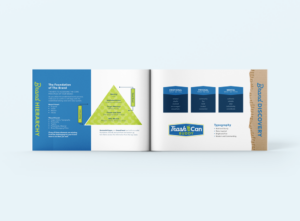
The best brand identity is built from intentional choices, not random design preferences. It connects strategy with expression so every touchpoint supports the same impression.
Key brand identity components include:
- Positioning: The specific space your Business occupies in the market, including who you serve, what you solve, and what makes your approach different.
- Brand promise: The practical outcome or experience clients can expect when working with you.
- Visual identity development: Your logo, typography, colors, layout style, imagery direction, icons, and graphic system.
- Messaging: The words and phrases that explain your services, values, process, and benefits.
- Tone of voice: The personality behind your communication, whether it is strategic, warm, bold, refined, technical, or approachable.
- Website identity: The digital expression of your brand, including structure, navigation, design, copy, calls to action, and user experience.
- Service or product identity: The way individual offers, packages, or products are named, described, presented, and supported.
Together, these elements create a practical brand identity description that your team can use. Instead of guessing how something should look or sound, everyone has a shared reference point.
What is a business brand identity derived from?
A business brand identity is derived from the company’s purpose, audience, values, market position, offer, personality, and customer experience. It should reflect what the business truly does and what customers need to believe before they take action. For agencies, this means identity should grow from strategy first, then become visible through design and communication.
For example, a business that serves enterprise technology clients may need a precise, structured, and confidence-building identity. A boutique creative Business serving lifestyle brands may need a more expressive and emotionally driven identity. Neither direction is automatically better; the right choice depends on relevance, clarity, and authenticity.
This is also where product creation and authentic brand identity become important. If your Business creates digital products, campaigns, templates, or service packages, those products should not feel disconnected from the parent brand. Product identity should support the larger brand identity, while still having enough distinction to be understood on its own.
Web design and brand identity work together
Web design and brand identity are closely connected because your website is often the first place prospects experience your Business in depth. A strong website does more than look professional. It translates your brand strategy into a clear journey: who you help, what problems you solve, how your process works, and what visitors should do next.
Good brand identity design improves the website experience in several ways. It creates visual consistency, makes content easier to scan, supports emotional connection, and helps your Business feel more established. Graphic design brand identity elements, such as typography hierarchy, button styles, image treatments, and spacing, also affect how trustworthy and polished the site feels.
If your website says one thing and your sales deck says another, prospects may sense a gap. Consistency across web, social, email, proposals, and presentations helps establish confidence before a conversation even begins.
How do you build a strong brand identity?
To build a strong brand identity, start with strategy, define your core message, create a flexible visual system, and apply it consistently across every client-facing touchpoint. The process should be structured enough to create alignment but flexible enough to grow as your Business evolves.
Here is a practical approach for how to build a brand identity:
- Clarify your audience: Identify the clients you want to attract, their challenges, decision criteria, and the kind of Business they are likely to trust.
- Define your positioning: Write a clear statement that explains what your Business does, who it serves, and why your approach is valuable.
- Document your personality: Choose a few traits that describe how your brand should feel. For example, your Business may be strategic, direct, collaborative, modern, or warm.
- Create your messaging foundation: Develop a short brand story, service descriptions, value proposition, tagline options, and key proof points. This helps prevent vague or inconsistent copy.
- Design the visual system: Build the logo, color palette, typography, layout rules, graphic elements, and image direction. This is where visual identity development turns strategy into recognition.
- Apply the identity everywhere: Update your website, pitch decks, proposals, social profiles, email signatures, onboarding documents, and templates.
- Create simple guidelines: A brand identity system only works if people can use it. Keep your rules practical, visual, and easy to share.
These steps also answer common questions like how to make a brand identity, how to create a brand identity, and how to build a strong brand identity without overcomplicating the process.
Brand image is shaped by every interaction
Brand identity is what you intentionally create. Brand image is how people actually perceive you. That distinction matters when learning how to develop brand image or how to create a brand image that supports growth.
Your brand image is influenced by your design, but it is also shaped by response times, meeting quality, project delivery, pricing clarity, client education, and follow-through. In other words, how to make a brand image stronger is not only a design question. It is an operational and communication question too.
Useful brand image examples might include a business becoming known for calm strategic guidance, fast execution, elegant creative direction, technical depth, or exceptionally clear communication. These perceptions are earned through repeated experiences. If you want a specific brand image, your identity and behavior need to support it consistently.
Practical brand identity tips for agencies
Establishing a brand identity can feel overwhelming, especially when your business is busy serving clients. The key is to focus on decisions that will improve clarity and consistency quickly.
Use these brand identity tips as a starting point:
- Audit your current touchpoints and note where your visuals or messaging feel inconsistent.
- Replace vague phrases with specific language about who you help and what outcomes you support.
- Keep your color, typography, and layout choices consistent across core materials.
- Make sure your homepage explains your Business in plain language within the first few seconds.
- Create reusable templates for proposals, case studies, social posts, and presentations.
- Review your service names and product identity to ensure they are easy to understand.
- Ask whether your brand feels authentic to your team, not just attractive to the market.
For small businesses and growing agencies, consistency is often more valuable than complexity. A simple, well-used identity usually performs better than an elaborate system that no one follows.
Strong identity makes growth easier
Business brand identity is important because it turns scattered impressions into a coherent experience. It helps prospects recognize your value, helps your team communicate with confidence, and gives your website, content, proposals, and client experience a shared foundation.
If you are deciding how to create a brand identity or how to make a brand image more intentional, begin with strategy before design. Know who you serve, define what you stand for, and build a brand identity system that can show up consistently. The result is not just a better-looking Business; it is a clearer, more trustworthy, and more memorable business.